
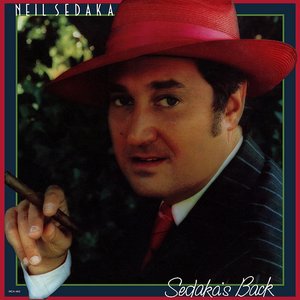
Sedaka's Back is a 1974 compilation album by American singer-songwriter Neil Sedaka. The album marked Sedaka's triumphant return to the U.S. music scene after a period of diminished visibility in his home country, although he had remained popular in other markets, particularly in the UK and Europe. Released by Rocket Records, the label founded by Elton John, Sedaka's Back played a pivotal role in reviving Sedaka’s career, compiling some of his successful singles from his time in Europe and new recordings tailored for the American market.
The album features some of Sedaka’s standout songs, including his earlier European hits. However, it was the inclusion of the song "Laughter in the Rain" that catapulted the album to major success. Co-written with Phil Cody, "Laughter in the Rain" became a chart-topping hit in the U.S., reaching #1 on the Billboard Hot 100 in February 1975. Its lighthearted melody, paired with Sedaka’s smooth vocals, resonated strongly with audiences, marking his first #1 hit in the U.S. since 1962.
The song's success helped Sedaka's Back gain widespread attention, earning Sedaka new fans and restoring him to prominence in the American music industry. The success of "Laughter in the Rain" was followed by other hits from the album, including "The Immigrant", a ballad that reflected the cultural and political climate of the time.
With the release of Sedaka's Back in 1974, he compiled tracks from his UK albums alongside new material for the U.S. audience. The album introduced Sedaka’s signature blend of pop and adult contemporary music to a new generation of listeners, while also appealing to his longtime followers
Sedaka's Back not only reintroduced Neil Sedaka to American audiences but also solidified his place in 1970s pop music. The album's success was critical to his resurgence, paving the way for subsequent hit albums and singles. Elton John’s support through his Rocket Records label helped Sedaka gain further exposure, allowing him to tour extensively and release more chart-topping hits during the latter half of the 1970s.
The album remains a significant part of Sedaka’s discography, symbolizing his ability to evolve with the changing musical landscape while maintaining the melodic charm and songwriting expertise that had defined his earlier career.
This User-contributed text is available under the Creative Commons By-SA License; Source: Last.fm.